
CenterPoint Crossbow Cases
Crossbow cases are sold by internal dimensions, not by model compatibility, and that is the source of most bad purchases. A case described as fitting most crossbows will not fit yours if your bow is wider than its internal width. Measure first, then shop.
Measure These Three Numbers
Before buying anything, measure your bow with the scope and quiver fitted the way you carry it:
- Uncocked width, limb tip to limb tip. This is the number that matters, because a crossbow travels uncocked. Modern compact bows can be under 10 inches cocked but considerably wider at rest.
- Overall length, stirrup to stock. Cases are commonly around 36 to 38 inches internally.
- Height with the scope fitted. The number people forget. A case that closes on a bare bow may not close over a scope with high rings.
Compare those against the case's stated internal dimensions rather than against the phrase fits most crossbows, which means nothing in practice.
Soft Versus Hard
Soft cases are padded fabric with a zip and usually a shoulder strap or backpack straps. They are lighter, cheaper, easier to store, and they are what most hunters actually use for carrying to a stand. They protect against rain, scratches and knocks. They do not protect against being sat on or thrown in a truck bed.
Hard cases are moulded shells, often with foam inserts. They are heavier and bulkier, and they are what you want for air travel, for a bow that rides in the back of a vehicle with other gear, or for long-term storage. The trade-off is that a hard case is genuinely awkward to carry any distance.
Most owners end up with a soft case and, if they travel, a hard one. Buying one good soft case first is the sensible order.
Popular options on Amazon
Prices change often - check the current price on Amazon.

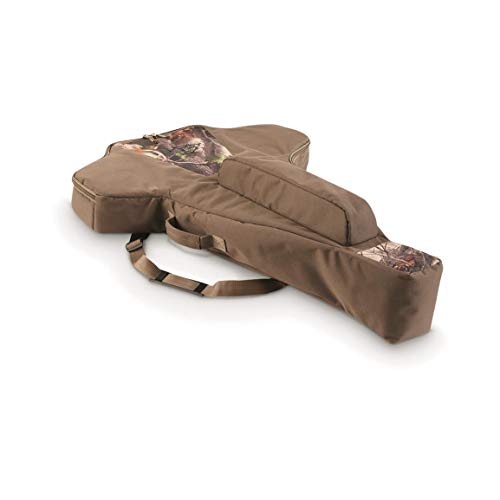
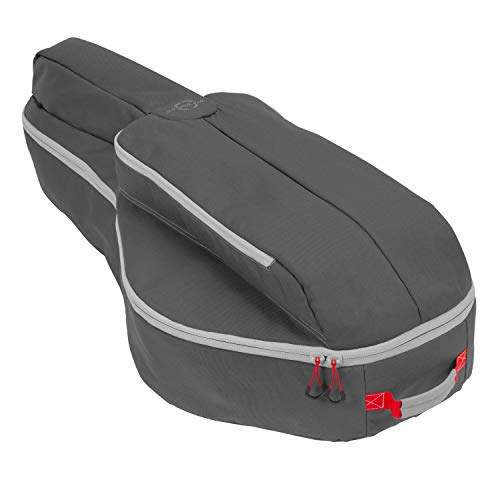

The CenterPoint-Branded Options
CenterPoint lists a padded semi-rigid case built specifically for the Wrath and Wrath 430X on Amazon under its own brand. Model-specific cases are the one situation where you can skip the measuring, because the fit has already been worked out - and a semi-rigid case is a reasonable middle ground between soft and hard.
Outside of that, CenterPoint's own case coverage on Amazon is thin, so most owners will be buying a universal case. That is not a downgrade, as long as you have measured.
What Else Goes in the Case
A case with internal pockets earns its money, because the small things are the ones that get lost:
- Spare bolts, in a bolt tube or a dedicated bolt case rather than loose - loose bolts in a bow case get their vanes crushed
- Rail lube and string wax
- The rope cocker or crank
- Spare scope batteries
- A spare bolt retention spring
A separate hard bolt case is worth having if you carry more than a handful. Bolts are cheap individually and expensive in aggregate, and a crushed vane ruins a bolt as thoroughly as a cracked shaft does.
Storage: Cocked, Uncocked and Damp
Never store a crossbow cocked. It puts continuous load on the limbs, cams and string, and the string will take a set that you cannot wax out.
Never store one damp, either. A soft case that went into the truck wet and came out into a warm garage is a small humidity chamber, and what corrodes is the trigger mechanism and the rail - the two things you cannot see without disassembly. Open the case and let the bow dry before it goes away for any length of time, and store it somewhere with stable temperature rather than an unheated shed that swings thirty degrees a day.
Frequently Asked Questions
What size case do I need for a CenterPoint crossbow?
Soft case or hard case?
Can I store a crossbow in its case cocked?
Can I take a crossbow on a plane?
Ready to check the latest price?
Check soft crossbow cases on Amazon