
Are CenterPoint Crossbows Any Good?
The short version: CenterPoint crossbows deliver competitive speed figures and a complete ready-to-hunt package at a price the premium brands do not compete at, and what you give up is refinement and long-term support rather than capability. That is a good trade for some buyers and a bad one for others. Here is which is which.
What CenterPoint Does Well
Speed per dollar. This is the whole proposition. A CenterPoint at 400 feet per second costs a fraction of a premium bow with the same headline number, and the number is real.
Complete packages. CenterPoint bows ship ready to hunt - scope, cocking rope, quiver, bolts, sling, stirrup. For a first crossbow that matters, because the accessories on a bare bow add up fast.
Accuracy that is not the limiting factor. For shots inside 40 yards, a well-maintained CenterPoint with a properly sighted scope and consistent cocking will group better than most people shoot. The bow is rarely the reason for a miss.
Safety features as standard. Anti-dry-fire mechanisms and the ball bearing retention spring design are fitted across the compound line rather than reserved for premium models.
Where the Corners Are Cut
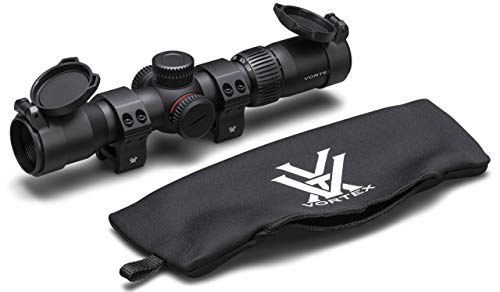
The bundled scope. The 4x32 that comes in the box is serviceable, not good. The reticle is calibrated to a fixed speed with no adjustment, so the yardage lines are approximate on any bow that does not match that speed. It is the first thing most owners upgrade - see scopes and yardage lines.
Noise and vibration. These bows are louder at the shot than premium equivalents. String stops and dampeners help, and they perish in storage, so an older bow is often louder than it needs to be.
Weight. Several models are on the heavy side. The Sniper 370 at 7.9 pounds is noticeable after a walk in and noticeable again holding for a shot.
Trigger feel. Adequate rather than crisp. It does not stop you shooting well, but it is where the price shows.
Popular options on Amazon
Prices change often - check the current price on Amazon.

The Real Weakness: Catalogue Turnover
The most substantive criticism of CenterPoint is not about how the bows shoot. It is that the lineup turns over quickly and discontinued models lose their manufacturer pages, which means specifications, part numbers and diagrams become hard to find for bows that are still being hunted with every season.
The Sniper 370 is the clearest example: searched for more than anything in the current catalogue, and not listed by CenterPoint at all. Owners end up reconstructing basic facts about their own crossbow from forum posts and retailer listings.
In practice this is survivable, because the aftermarket covers the wear items well - strings, cables, bolts, cocking devices and scopes are all available for the older models. What is genuinely hard to source is anything structural. If a limb or a trigger assembly fails on a discontinued CenterPoint, you are usually buying another crossbow.
Who Should Buy One
Buy a CenterPoint if:
- This is your first crossbow and you want a complete package without assembling one
- You hunt inside 40 yards, which is most crossbow hunting
- Budget is a real constraint and you would rather spend the difference on bolts, a better scope and practice
- You are comfortable doing basic maintenance yourself
Look elsewhere if:
- You want the quietest possible bow because you hunt pressured animals at close range
- You want a manufacturer that will still have your model's parts diagram in ten years
- You take long shots where trigger quality and a speed-adjustable reticle genuinely matter
- Carrying weight matters to you more than price
If You Already Own One
Most of what separates a CenterPoint that shoots well from one that does not is maintenance rather than the bow. In order of impact:
- Replace the string if it is original. This is the single biggest accuracy and safety item. Lengths by model.
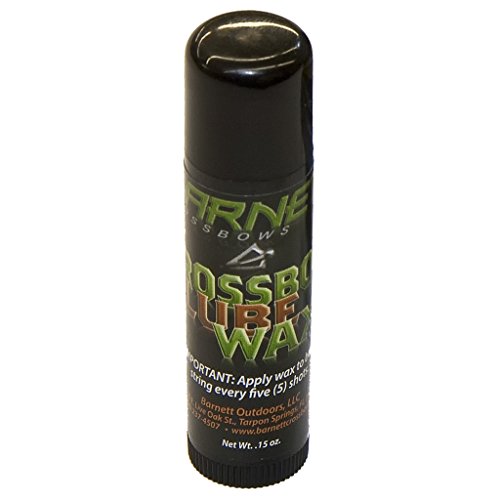
- Lube the rail and wax the string. Cheapest maintenance there is, largest effect on string life.
- Verify what the scope's yardage lines actually correspond to rather than trusting the labels, and write the real distances down.
- Cock the same way every time, with a rope cocker or a crank rather than by hand.
- Buy more bolts and inspect them for cracks before every session.
Do those five things and a mid-range CenterPoint will outshoot a neglected premium bow comfortably.
Frequently Asked Questions
Are CenterPoint crossbows accurate?
How long does a CenterPoint crossbow last?
Is CenterPoint better than the premium brands?
What is the most common complaint about CenterPoint crossbows?
Ready to check the latest price?
Check the Hellion 400 on Amazon